“When The Night Finds You” by Dwight Okita
It is Oscar night, and a blue heaven of the miraculous surrounds Dwight Okita as he opens his door to his 29th floor studio condominium, an island in the sky of Chicago, where he writes, works, and dreams. He offers a chair, the city cloaked in night, and sparkling below. As the evening progresses, The 2024 Academy Awards are disappointing for Okita because Oppenheimer’s Oscar sweep was a tragedy for Barbie. He was also rooting for the director to at least win for Best Adapted Screenplay, but not this time. American-born, third generation Japanese, Okita has insider knowledge about what happened when the bomb dropped, having co-authored a Joseph Jefferson award-winning play with Nick Patricca, Anne McGravie and David Zak titled The Radiance of a Thousand Suns: The Hiroshima Project (1995) which may be the reason why the Oppenheimer win rankles.
He shares some of the ramifications of the dropping of the bomb on Japan: the fact that most of the people who were killed were ordinary citizens, the flesh that literally came off their bones when touched, the imprint of a kimono pattern word at the time of the blast permanently seared into the skin of the wearer. By contrast, the hope-filled promise of Barbie gives the post-pandemic audience a reminder of what happiness feels like. For the author of The Hope Store (2017), this is understandably important.
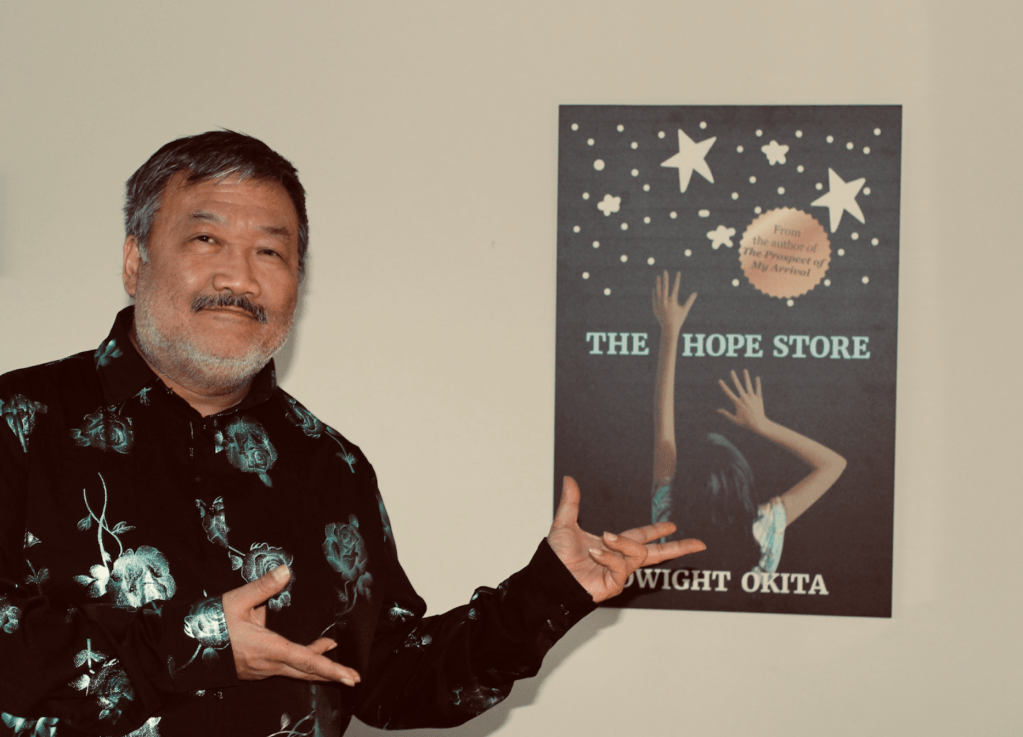
“Let’s break it down, Cathleen,” he said. “Oppenheimer is about a white man who feels a little bad about creating a bomb that could’ve destroyed the world – and did destroy tons of Japanese civilians. A story of white guilt. Barbie is about a female doll that has an existential crisis when she realizes that humans actually die. She makes a decision that I found moving and heroic. Barbie was the movie the world didn’t know we needed to see! It was entertaining and hopeful after the endless pandemic.”
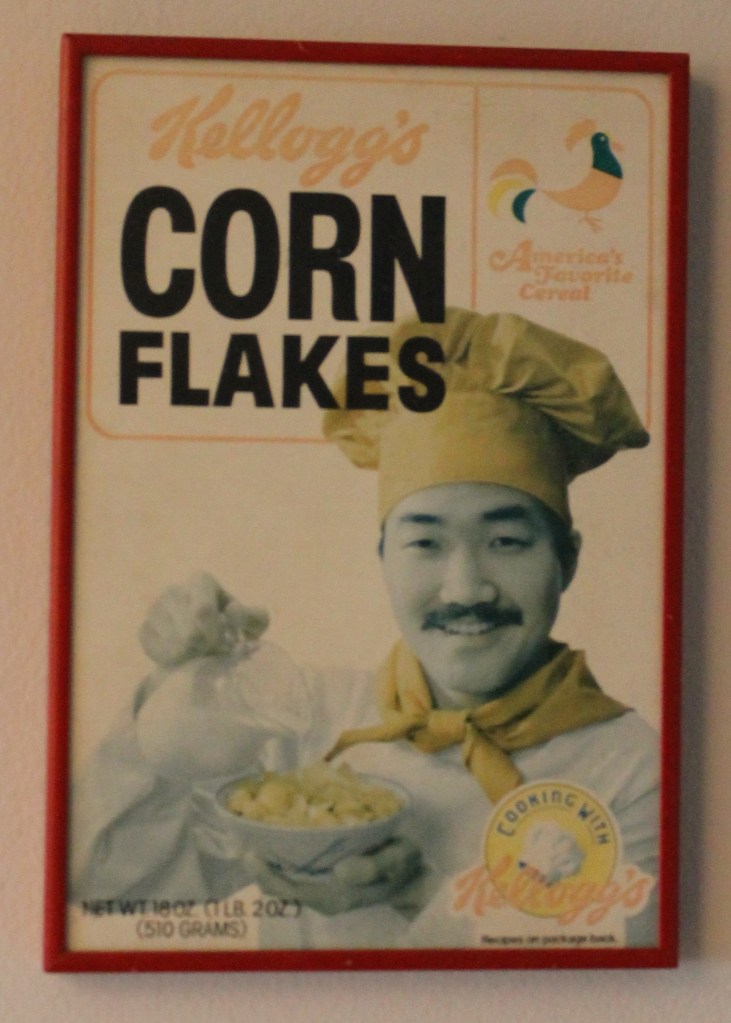
Okita shared a story about appearing on the cover of the Corn Flakes box. “Dad was a grade school teacher and he bought twenty boxes. He had me autograph them for his fellow teachers,” he said concealing a smile. Oddly, his father was less boastful about the first poem Okita got published, perhaps because it was in a small Chicago publication, whereas the cereal box was Kellogg’s after all. The poem “In Response to Executive Order 9066” (which refers to the order that caused Japanese Americans to be forcibly removed from their homes, and interned during World War II) went on to be included in scores of textbooks and in the Norton Introduction to Literature.
Okita has it, the gift of poetry, the ability to weave magic with words, the unique perspective of someone who tackles issues head-on while viewing them dreamily, from a distance in his fantasy land in the sky, where the dream factory of Hollywood colors and impacts his very real life. To learn more about Dwight Okita or his book go to his website at dwightokita.com.

 Poetry in Chicago